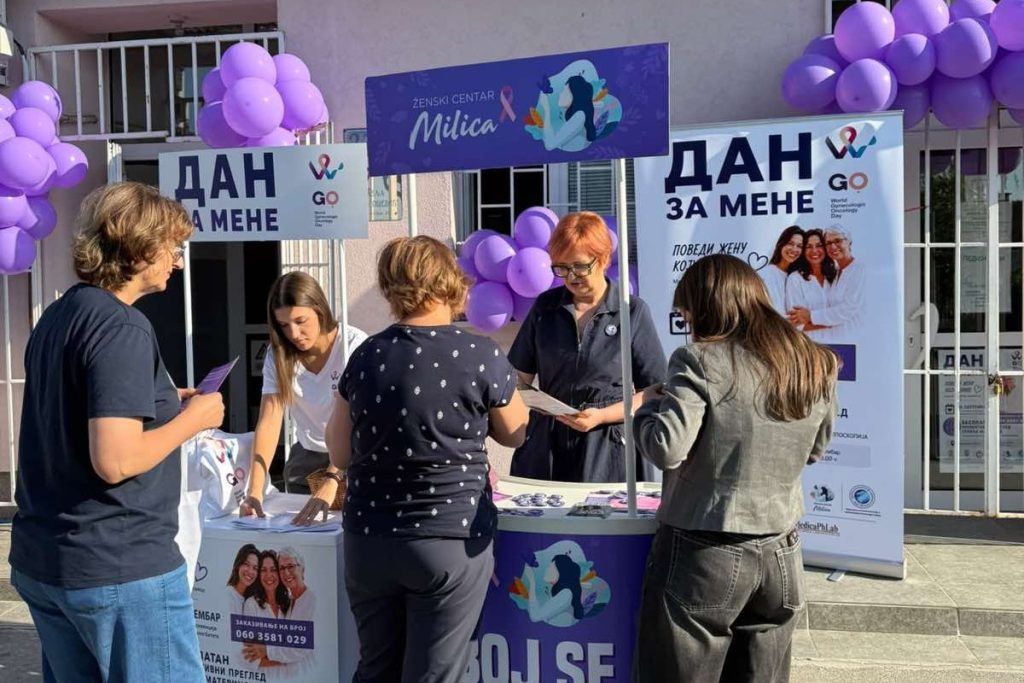
On 20 September, to mark World Gynecological Oncology Day, free gynecological exams were held at the clinic in Rušanj. Balloons and an information desk stood at the entrance, and inside, between 9am and 1pm, Professor Emerita Dr Vesna Kesić and Asst. Dr Jelena Štulić saw sixty women. Not one of them paid anything.
The campaign was called “A Day for Me”, and the invitation was simple: bring a woman you love.
Why 20 September
20 September is World Gynecological Oncology Day — World GO Day. The campaign is run by the European Society of Gynaecological Oncology (ESGO) together with ENGAGe, its network of patient advocacy groups.
The purpose of the day is not only to recall the statistics. This year’s theme was “Support not stigma”, and behind it lies an observation: gynecologic cancers are found late in part because they are not talked about openly enough.
What the free gynecological exams covered
Every woman who came received the same, at no charge:
- a gynecological examination
- colposcopy
- a Pap test
- individual counseling on preventing gynecologic cancers
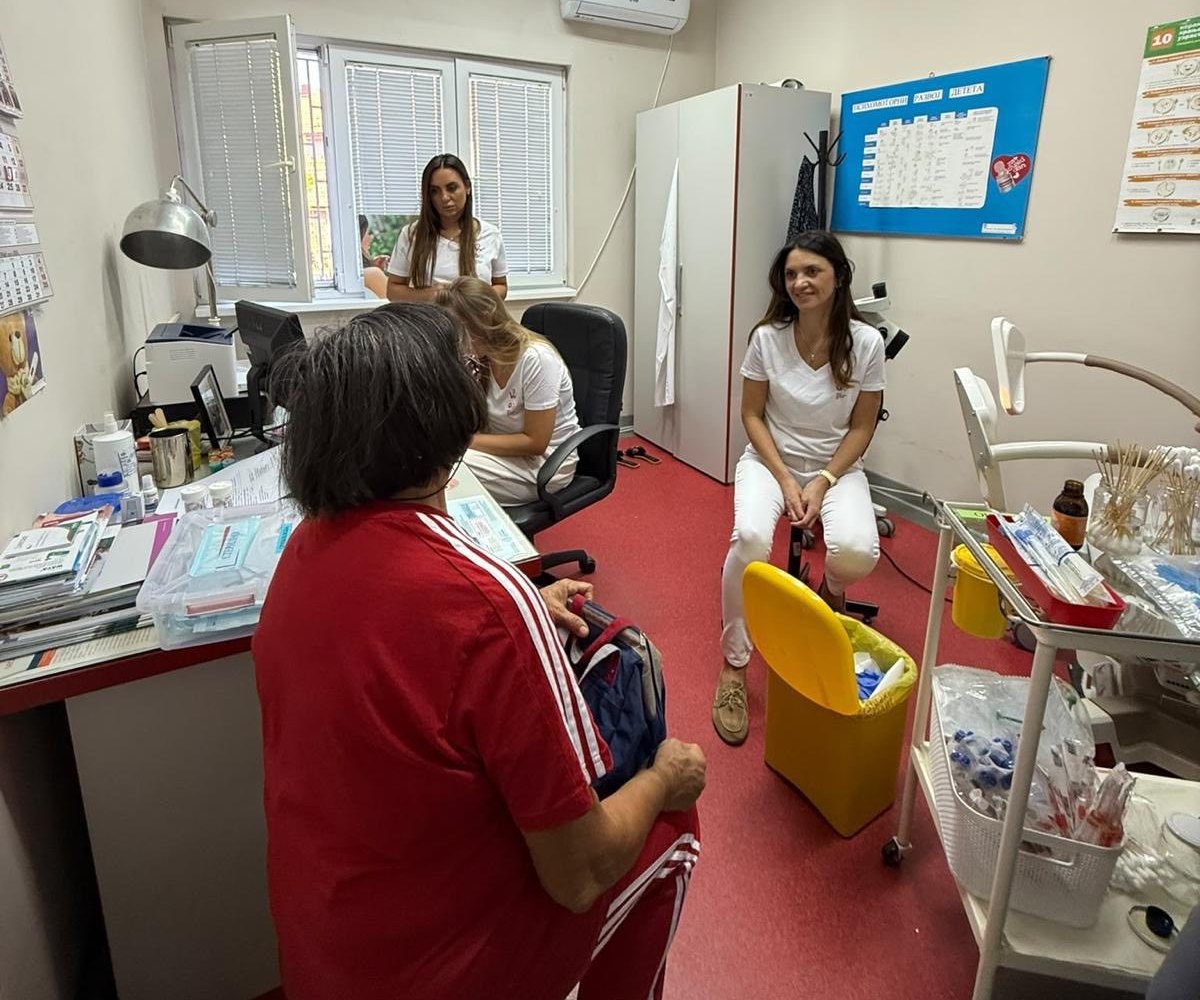
The combination matters more here than the fact that the exam was free. A Pap test on its own answers one question. A Pap test together with colposcopy, performed by a doctor who works in gynecologic oncology, and in the same visit, answers several — and it removes that second appointment, in another place, that many women never get to.
You can read more about how to prepare for an exam in a separate article.
Why Rušanj
Rušanj has its own clinic, but no gynecologist within easy reach. A routine check-up means planning a morning around a trip into the city — and that is why exams are postponed more often than any statistic shows.
So we went to them. But proximity alone would not have filled the waiting room.
What filled it was the way the invitation was phrased. It did not say “come for an exam”. It said: bring your mother, your daughter, your godmother or your friend — and come together.
A gynecological exam is an obligation a woman carries out alone; it is easy to postpone, and for many it is still slightly awkward to mention. Once it becomes something two or three women do alongside each other, it stops being any of those things.
The conversation before the campaign: access to doctors and prevention
The day before, on 19 September, Dr Jelena Štulić appeared on the program “Pokreni se” on Nova television together with Vesna Bondžić of the “Milica” Women’s Center. The subject was exactly what had led to Rušanj: how available a gynecologist really is to women who do not live in the center of the city, and what prevention means in practice.
What happens after the exam
The response exceeded expectations. Sixty women were seen without a break, until the clinic closed.
The campaign did not end there. Every woman seen was also booked for a mammogram at the local health center. A free exam on its own is a kind gesture. A free exam with the next appointment already booked is prevention.
Women from Rušanj are still in touch, asking when we will do it again.
Part of a global campaign
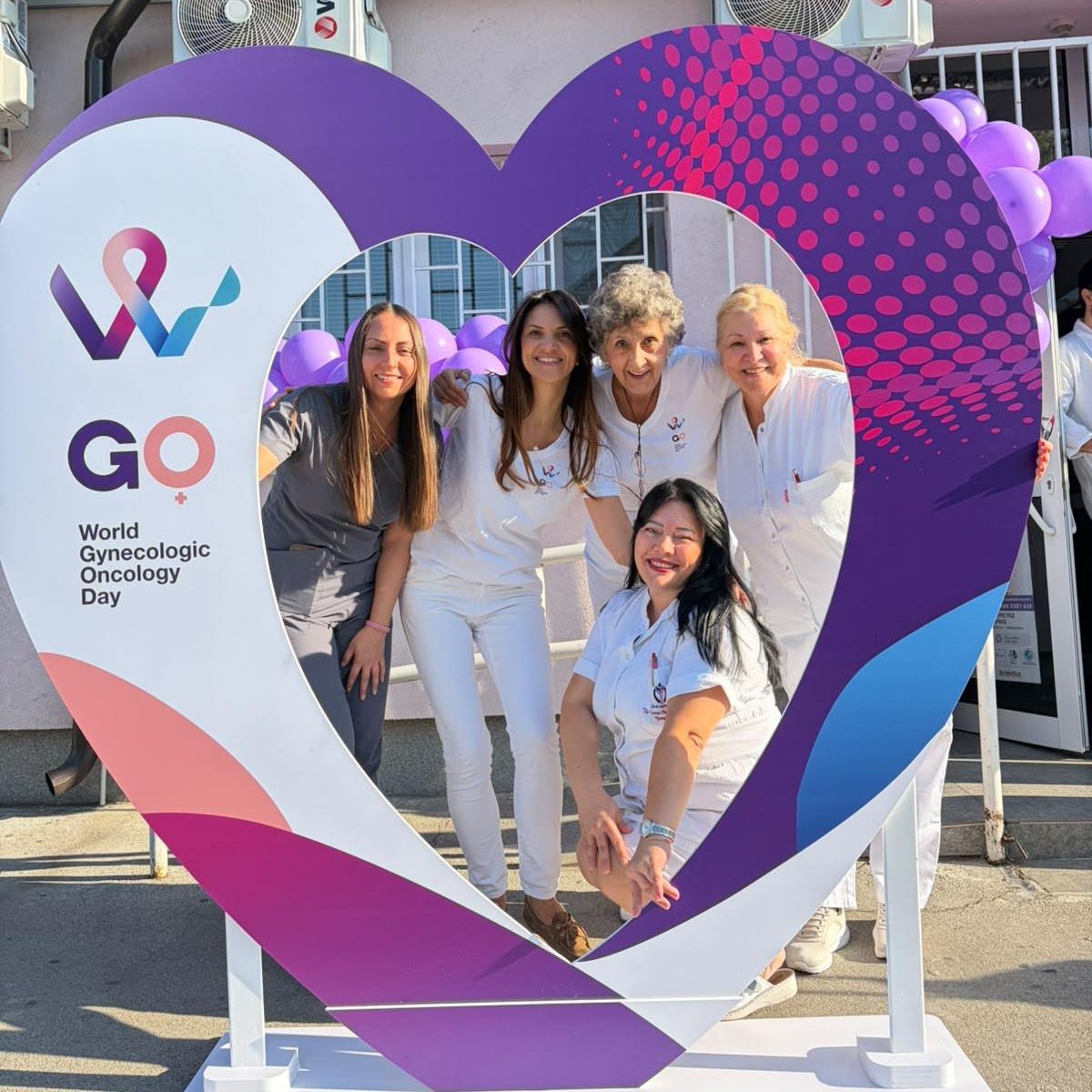
Rušanj was not an isolated case. 2026 was the eighth edition of the World GO Day campaign: 235 partners organized 406 events in 63 countries, across five continents and in more than 40 languages.
The campaign was organized together with the “Milica” Women’s Center, an association of patients with breast cancer and gynecologic cancers, whose volunteers also demonstrated breast self-examination that day.
Book a gynecological appointment
If you have a question, a new symptom, or you aren’t sure when your next check-up is due, book a consultation with Dr Jelena Štulić.
To book an appointment, call: +381 11 3542 900
Frequently asked questions
Were the exams in Rušanj really free?
Yes. The gynecological examination, colposcopy, Pap test and prevention counseling were free for every woman who signed up.
How many women were seen?
Sixty women, between 9am and 1pm on 20 September, at the clinic in Rušanj.
What is World GO Day?
World GO Day is World Gynecological Oncology Day, marked on 20 September. The campaign is run by the European Society of Gynaecological Oncology (ESGO) together with its patient network ENGAGe, with the aim of raising the visibility of gynecologic cancers and reducing the stigma around them.
Should I have a gynecological exam if I have no symptoms?
Yes. Certain changes, early changes of the cervix in particular, give no symptoms at first. That is precisely why preventive exams matter — their purpose is to find changes before complaints appear.
Will the campaign be repeated?
There is interest, and women are still asking when it will happen again. The date of the next campaign will be announced in good time.
This article is for information only and does not replace an individual examination, diagnosis or medical advice. The need for any particular examination or diagnostic procedure is assessed individually, in line with your state of health, previous findings and current professional guidelines.