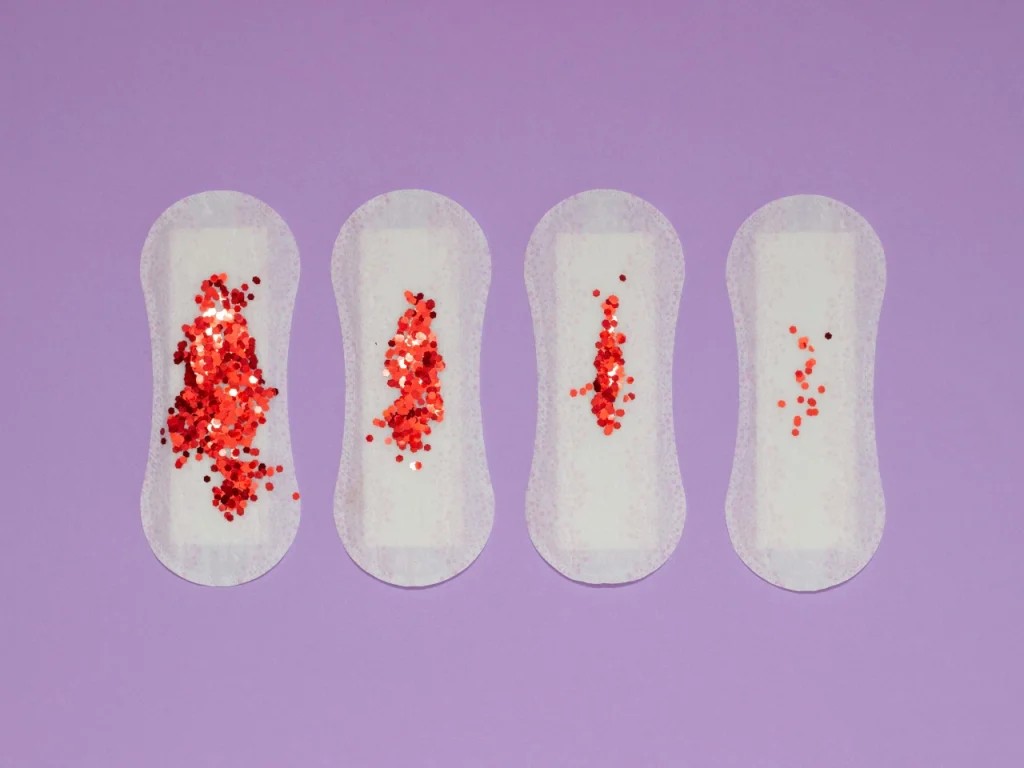
Irregular bleeding is most common in adolescence (30%) and in perimenopause (50%), while in the middle reproductive years it occurs in around 20% of women.
– In adolescence, so-called juvenile irregular bleeding is caused by the slow maturing of the regulatory centers in the hypothalamus, the pituitary and the ovary. It is usually anovulatory (a state in which the ovaries do not release a mature egg) and appears in the first three years after the first period, with a longer cycle at irregular intervals. Anemia is a common consequence of this kind of bleeding.
Among the other causes of bleeding in adolescence, coagulopathies — disorders of blood clotting such as von Willebrand disease, thrombocytopenic purpura and factor XI deficiency — must be ruled out in young women with heavy periods. Polycystic ovary syndrome, obesity, weight loss, excessive physical activity, thyroid disorders, diabetes and stress deserve attention as well, as do raised prolactin levels.
In women of reproductive age, the first task is to establish whether the bleeding is the result of hormonal changes in pregnancy, and whether the pregnancy is developing inside or outside the uterus. Other causes of irregular bleeding in this period may be endocrine in nature: polycystic ovary syndrome, thyroid disorders and obesity.
Because a frequent cause of irregular periods is in fact the incomplete maturing of the egg and the resulting absence of ovulation, these patients often have difficulty conceiving, and that is often what brings them to the doctor.
– Irregular bleeding is most common of all in perimenopause, and here the cause lies in the ovary: the ovarian tissue has exhausted its follicles and they can no longer respond to the hormones acting on them. The first sign of declining ovarian function is a fall in inhibin, while follicle-stimulating hormone (FSH) and luteinizing hormone (LH) begin to rise as much as five to eight years before menopause. Because the follicles no longer mature properly, this bleeding is anovulatory and can continue for months or years until the follicles are completely exhausted and menopause begins. Further causes of irregular bleeding around menopause include infections, endocervical and endometrial polyps, benign and malignant tumors, unsupervised hormone use, and systemic liver and kidney disease.

Heavy bleeding, and scant bleeding too, can point to cancer
Bleeding is often the first symptom of a malignant process in the genital organs. Bleeding after intercourse can point to cervical cancer, and a foul-smelling discharge resembling meat washings points to a malignant process in the body of the uterus. Hormonally active ovarian tumors can also cause irregular bleeding.
The diagnosis of irregular bleeding is reached through a thorough assessment of the patient. This begins with a detailed history: when the first period occurred and what the menstrual cycle is like — how often it comes, how long it lasts, whether it is painful or heavy, and whether there is bleeding between periods, how long it lasts and how often it occurs. A history of deliveries and of miscarriages or terminations is needed, as is information on any chronic illness (thyroid disease, diabetes, liver disease). A general examination matters too, to establish body mass index and to look for excess hair growth, bruising and petechiae.
– The gynecological exam begins with the appearance of the external genitalia, looking for abnormalities, injury or inflammation. A speculum is then used to examine the vagina and cervix for any changes or polyps, and a sample is taken for a Pap test. Bimanual examination reveals fibroids or ovarian masses, as well as pain and tenderness. Ultrasound is now a standard part of the exam; it defines any changes more precisely and shapes the treatment plan.
Laboratory work includes a full blood count, CRP, biochemistry, coagulation tests and hormone tests on day 2 or 3 of the cycle (FSH, LH, estradiol, testosterone, AMH, prolactin and thyroid hormones), with progesterone measured on day 21. To rule out a malignant process, suspicious changes are biopsied and a fractional exploratory curettage is performed, with histopathological confirmation.
Do not dismiss light bleeding outside your cycle
The habit of seeing a doctor for prevention rather than for symptoms is not yet established; women tend to come once something hurts. Light irregular bleeding is often ignored, and by the time it becomes heavier or painful the visit comes late, because the disease has already advanced. Raising awareness through the media is one route; making certain exams routine is another, and both would make women healthier, and with that happier.