Women are born with a set number of egg cells – follicles in the ovaries – and that number falls with age. If you are planning a pregnancy later in life, or have health factors that may affect fertility (chronic illness, surgery, certain treatments), thinking about preserving your fertility in good time can be a wise and responsible decision. There are a few clear principles that can help a great deal.
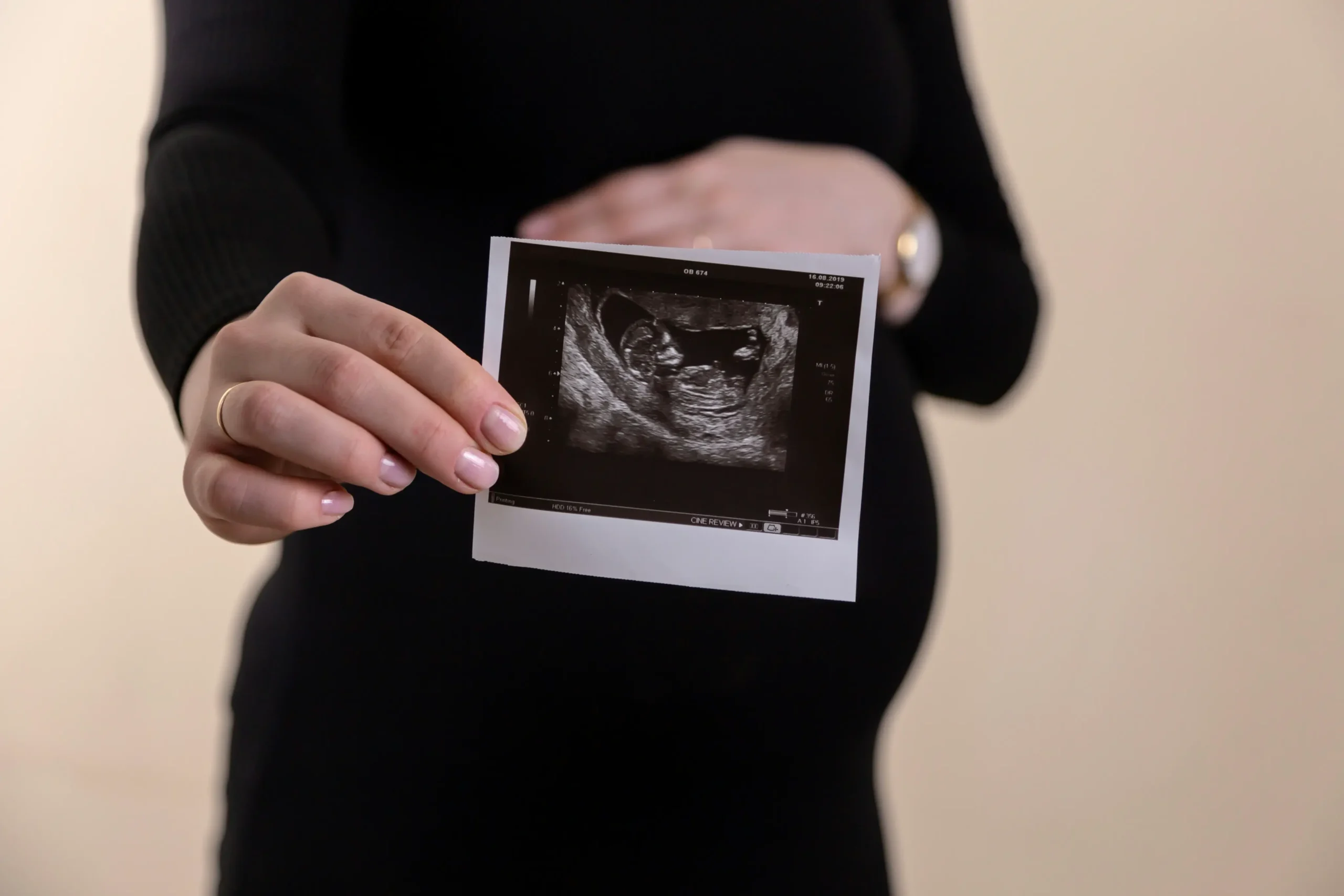
1. Think about parenthood in time
A woman’s age is one of the most important factors in fertility. Fertility declines naturally after 30, and more sharply after 35. Being informed and planning realistically are the first steps in preserving fertility.
2. Regular gynecological exams
Preventive exams allow conditions that can affect fertility to be found early — endometriosis, fibroids, polycystic ovary syndrome or chronic infections. Treating them in time prevents lasting damage to reproductive function.
3. Preventing and treating infections
Sexually transmitted infections, chlamydia and gonorrhea in particular, can damage the fallopian tubes and affect fertility, often without obvious symptoms. Responsible sexual behavior and prompt treatment play a key role.
4. A healthy lifestyle
Keeping to a normal body weight, a balanced diet, regular physical activity and avoiding smoking, alcohol and psychoactive substances all contribute significantly to preserving reproductive potential. Chronic stress can also upset hormonal balance.
5. Fertility and chronic illness
Thyroid disease, diabetes, autoimmune conditions and other chronic disorders can affect fertility. Keeping them well controlled, together with your doctor, is of great importance.
6. Knowing the options for preserving fertility
For women who are postponing pregnancy, or who face treatment that may threaten fertility (cancer treatment, for example), there are methods such as freezing eggs or embryos. These are particularly useful where there is a real threat to fertility — before chemotherapy or radiotherapy, before surgery, in serious gynecological disease, or where a woman plans to conceive after the age of 35–40.
7. Assessing an infertile couple in time
Infertility affects on average 10 to 15% of couples. It is defined as the inability to conceive after one year of regular intercourse, after which assessment begins. Some situations call for earlier investigation, such as chronic anovulation or a history of pelvic inflammatory disease. And because the rate of conception falls significantly with age, assessment is advised for any woman over 35 who has not conceived within six months.